What if your people aren’t tired of change, but tired of the gap?
That gap is cultural fatigue. Not the volume of change, but the slow erosion that happens when an organisation keeps talking about who it is while behaving like someone else entirely.
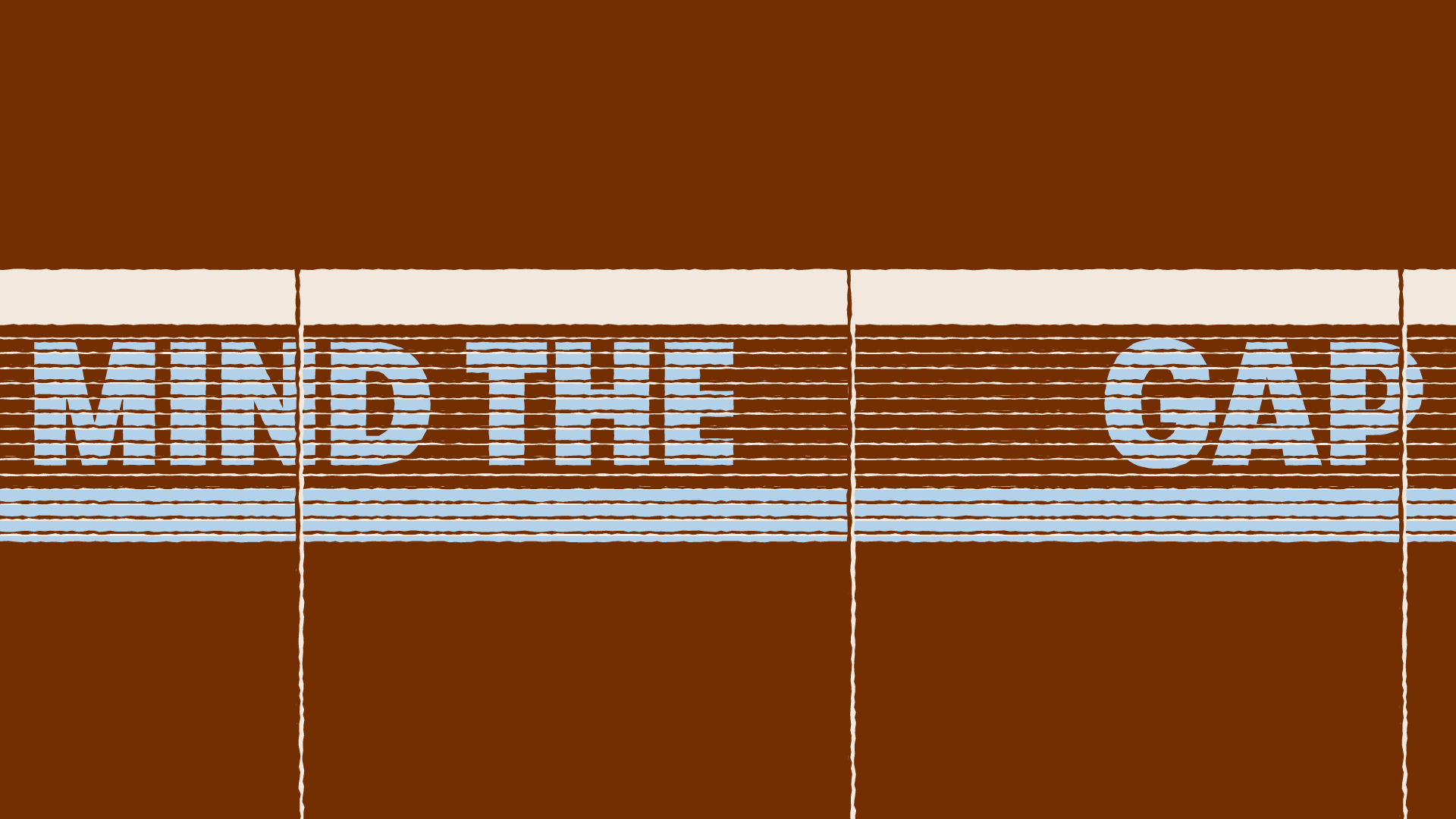
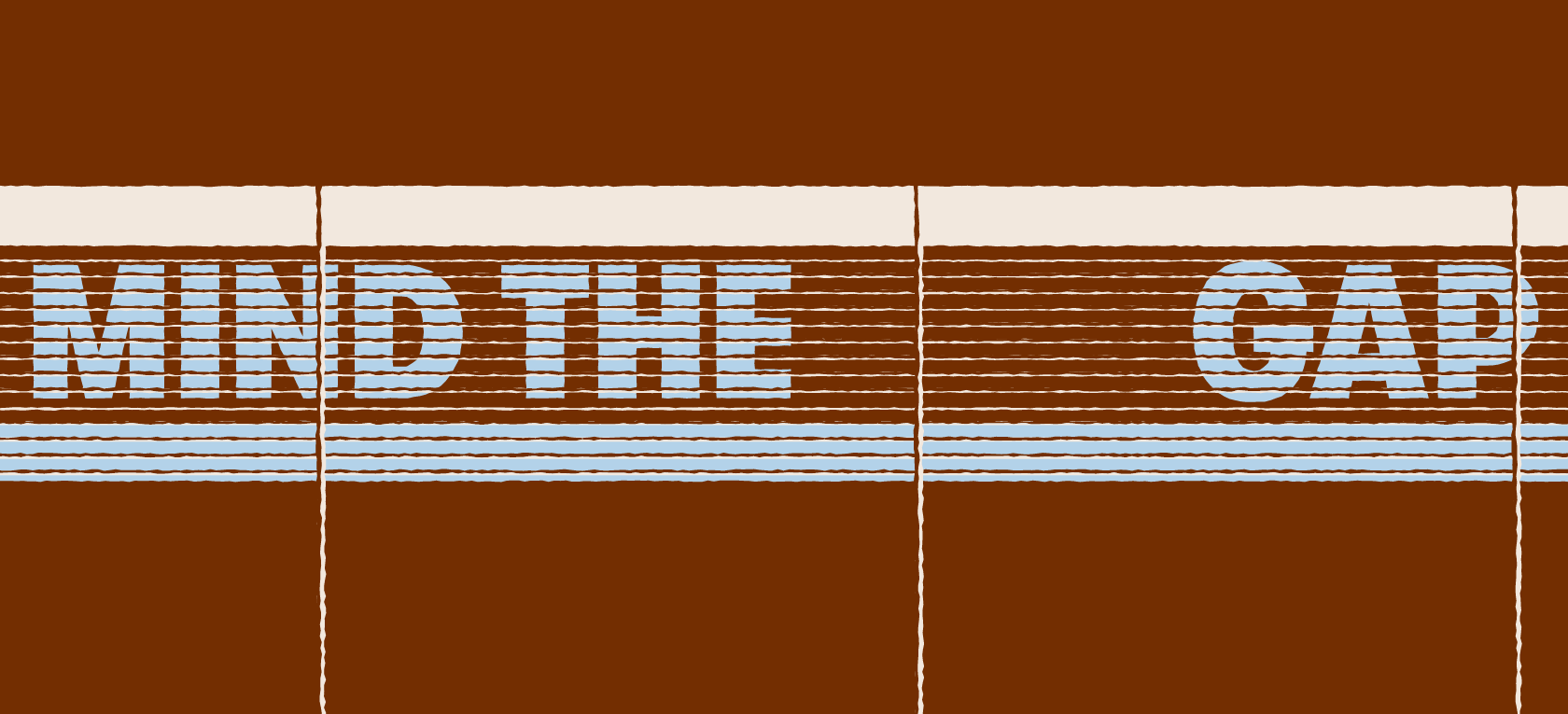
What if your people aren’t tired of change, but tired of the gap?
Your people know the values. They can recite them. They’ve seen them on the wall, on the slide, in the all-hands.
What they can’t tell you is when they last saw a decision made because of them.
That gap is cultural fatigue. Not the volume of change, but the slow erosion that happens when an organisation keeps talking about who it is while behaving like someone else entirely.
We’ve spent a decade building bigger change agendas: more transformation programmes, more strategy refreshes, more town halls explaining why everything is moving and what’s coming next. Along the way, change itself became the culture. What people adapt to now is the churn of being told who the company will be next.
That isn’t culture. That’s noise.
The work isn’t change. The work is the promise behind it.
Every organisation is making a promise to its people. Whether or not anyone has written it down, whether or not anyone has called it an EVP, the promise is being made every day. It gets made in who gets promoted, in what gets recognised, in which behaviours leaders ignore and which ones they call out, in how someone is treated on their first day and on their last.
When the promise is clear and the behaviour matches it, people don’t get fatigued. They get rooted.
When the promise is loud and the behaviour drifts, every new initiative arrives in a workforce that’s already tired of holding the gap.
Confidence in senior leadership is the bedrock now. And it isn’t built where most leaders think.
It isn’t built in the keynote, or the open-mic Q&A. It’s built in the predictable, repeated, sometimes uncomfortable evidence that this leadership team makes decisions the same way the values say they will.
Predictability is what people want from leaders now. The slow, repeated proof that the values will hold the same shape next month as they did last. Once a workforce can predict how their leaders will choose under pressure, the fatigue starts to lift. Because the change stops feeling like noise. It starts feeling like a promise being kept.
A different kind of culture work
This is what we mean when an EVP is a decision-making tool, not an aspirational campaign. The promise people can stake their working lives on, the line leaders hold when the quarter goes sideways, the consistency people feel from their first day to their last.
It asks more of leaders than a values refresh ever did. And it’s where the possibility is.
The organisations who get this right won’t have more energy for change. They’ll have less need for it. Because their people will already know what the company stands for, and trust that it will stand there tomorrow.
So what does that work look like?
It starts in the decisions, not the surveys. Audit the moments where your values were tested last quarter. The redundancy round. The contested promotion. The budget call that walked back what leadership had said in public. Where did the promise hold? Where did it bend? What did your people take from it?
From there, it’s the slow craft of making the promise specific enough that holding it under pressure is possible at all. The patient coaching that helps leaders act on it in public, on the record, when acting on it costs them something. The careful work of weaving the same promise through how someone is hired, recognised, developed, and supported when they leave. Same promise. Same lens. Every moment.
That’s where the fatigue lifts. In the visible, repeated proof that the promise still means what you said it did.
The next era of work will expose this gap
Change isn’t slowing down. AI is rewriting how work gets done, operating models are being rebuilt around it, and roles people trained for a decade ago are being redefined inside a year. Every organisation is about to ask its people to absorb more change, faster, with less certainty, than at any other point in their working lives.
The ones who navigate it well will be the ones whose people trust them to make decisions that match what they’ve said. That trust will matter more than any transformation plan.
Because when everything else is in flux, the promise is what people hold onto. It’s what keeps your best talent through a restructure, what lets a team move at pace when the direction shifts, what gives leaders the credibility to ask for more without losing the room.
Get the promise right and the dividends compound: retention through volatility, execution speed when the market won’t wait, the cultural capacity to keep changing without breaking the people doing the changing.
Get it wrong and the cost stacks up. Talent walks. Change drags. Every transformation lands worse than the last, because the promise people held onto last time didn’t hold.